What it is
Saving money on gas means using less fuel to cover the same distance, or paying less for each gallon you do buy. Most approaches fall into three groups: driving habits, vehicle condition and smart planning.
Fuel use is shaped by many things, including speed, acceleration, traffic, weather, cargo and the condition of your vehicle. Two drivers in the same car may see quite different results.
Because every car, commute and climate is different, there is no single magic fix. A mix of small habits is what many drivers find most practical.
How it’s traditionally been approached
Drivers have long relied on simple habits: easing off the accelerator, braking gently, avoiding long idling and keeping a steady speed on the highway. Many also remove unneeded heavy items from the trunk.
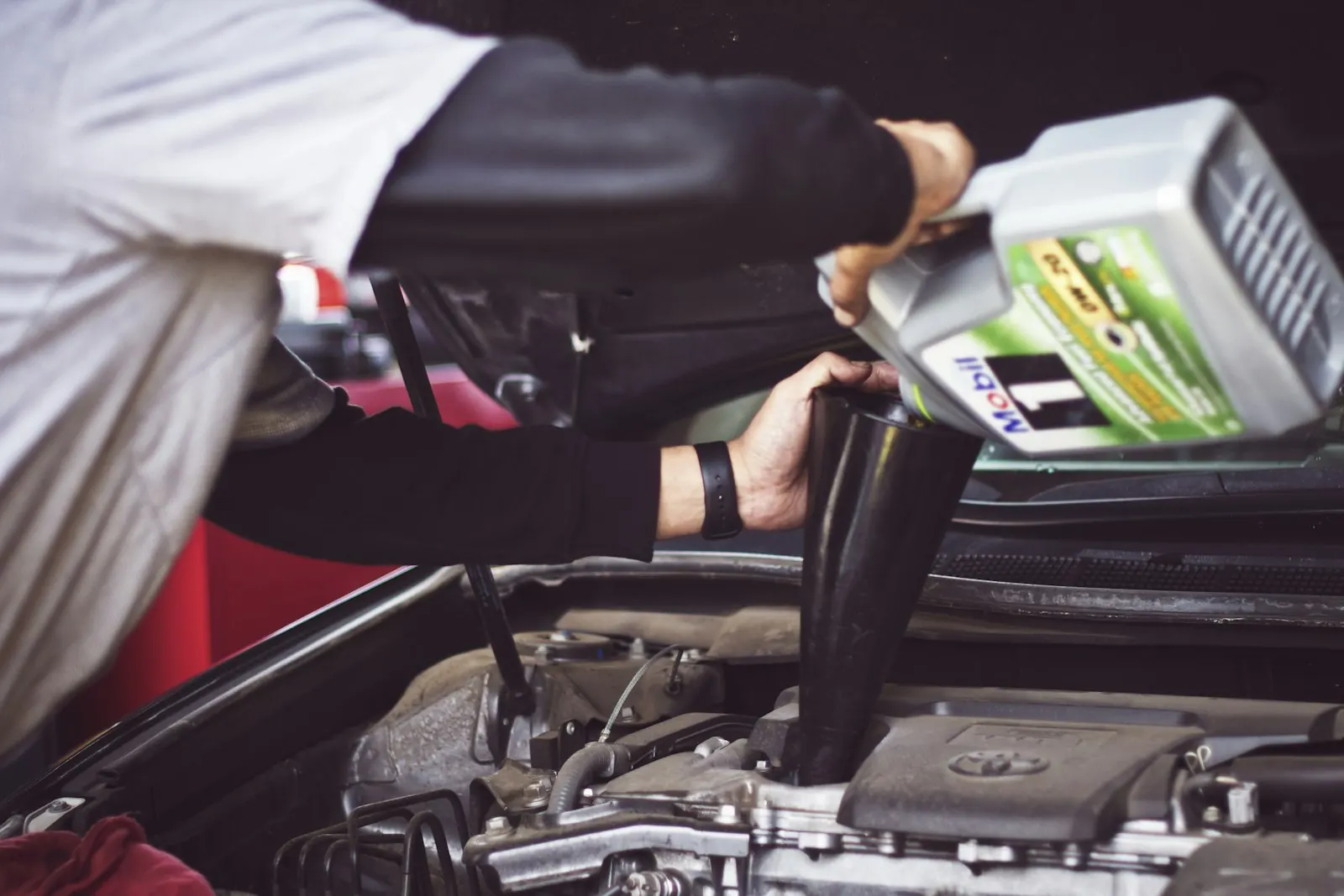
Another traditional approach is routine maintenance. Keeping tires properly inflated, following the maintenance schedule in the owner's manual and replacing worn parts like air filters are commonly cited ways to help an engine run efficiently.
Planning has also been a classic method: combining errands into one trip, avoiding peak traffic when possible, carpooling and comparing local fuel prices. Some drivers also use loyalty or rewards programs, though terms and value vary by retailer.
How the right expert may help
A qualified auto pro may help you understand whether your vehicle is in good shape for efficient driving. A visit generally involves a conversation about how you drive, a look at items like tires, filters and fluids, and a review of any warning lights or unusual noises.
Helpful questions to ask include: Is my tire pressure and alignment appropriate for my vehicle? Is anything due on my maintenance schedule that could affect fuel use? Does my car require a specific fuel grade according to the owner's manual?
A good pro may also explain which repairs are urgent for safety and which can wait, so you can plan your budget. For anything involving fuel systems, electrical work or brakes, a licensed professional is the safest route. Ask for a written estimate before work begins, since costs vary by shop and region.
The bigger picture
Fuel costs can quietly weigh on a monthly budget, and that background stress is real. Taking a few simple steps may bring a sense of control and make driving feel less like a money drain.
Calm driving habits can benefit more than your wallet. Leaving a few minutes early and driving smoothly may make commutes feel more relaxed. If you want help seeing how car costs fit into your bigger picture, Providers.plus can connect you with independent experts, and our free calculators at /calculators may help you explore the numbers.
Keep in mind
- Results vary by vehicle, driving conditions, climate and fuel prices, so no tip is guaranteed to save a specific amount.
- Always follow your owner's manual for fuel type and maintenance, and never skip safety items just to save on fuel.
- Use a licensed professional for gas, electrical or structural work, and get quotes before repairs.
- Tipey is an independent directory, not a professional advisor, and this page is general information only.
Free calculators
- Car loan calculator →Estimate a monthly car payment from price, down payment, trade-in, sales tax, rate and term.
- Debt payoff calculator (avalanche vs snowball) →List your debts and compare the avalanche and snowball methods side by side.
Take the next step
- Transportation Calculator ↗What drives shipping cost — and a quote
- 800-HAVE-VAN ↗Van moves and deliveries
Not sure where to start? Answer a few gentle questions and choose who you’d like to hear from.
Open the car loan calculator →Frequently asked questions
What is the easiest way to save money on gas?
Smooth driving is often the easiest place to start. Gentle acceleration, anticipating stops and avoiding unnecessary idling are commonly cited habits that cost nothing to try. Results vary by vehicle and conditions.
Does tire pressure affect gas mileage?
Yes, tire condition is commonly cited as one factor in fuel use. Check the pressure recommended for your vehicle in the owner's manual or on the driver's door label. An auto pro can also check your tires and alignment.
Should I use premium gas to save money?
Use the fuel grade your owner's manual recommends or requires. Paying for a higher grade your car doesn't call for may not offer a benefit, while using a lower grade than required could be a concern. Confirm with your manual or a qualified auto pro.
Does driving with the windows down or the AC on save gas?
It depends on the vehicle and speed, and there is no one answer for every driver. Many people consider open windows at low speeds and AC at highway speeds as a general rule of thumb. Your own experience and your car may differ.
Can regular maintenance help me save money on gas?
It may. Keeping up with the maintenance schedule in your owner's manual helps your car run as designed, which can support fuel efficiency. An auto pro can tell you what is due for your specific vehicle.
How do I find out how much I spend on gas?
Track your fill-ups and distance driven for a few weeks to see your own pattern. Our free calculators at /calculators may help you explore your monthly car costs. Prices vary by area, so use your own receipts for the most accurate picture.
Educational resource. Tipey shares general information and connects people with independent experts. It is not professional advice. Talk with a qualified professional about your own situation.
