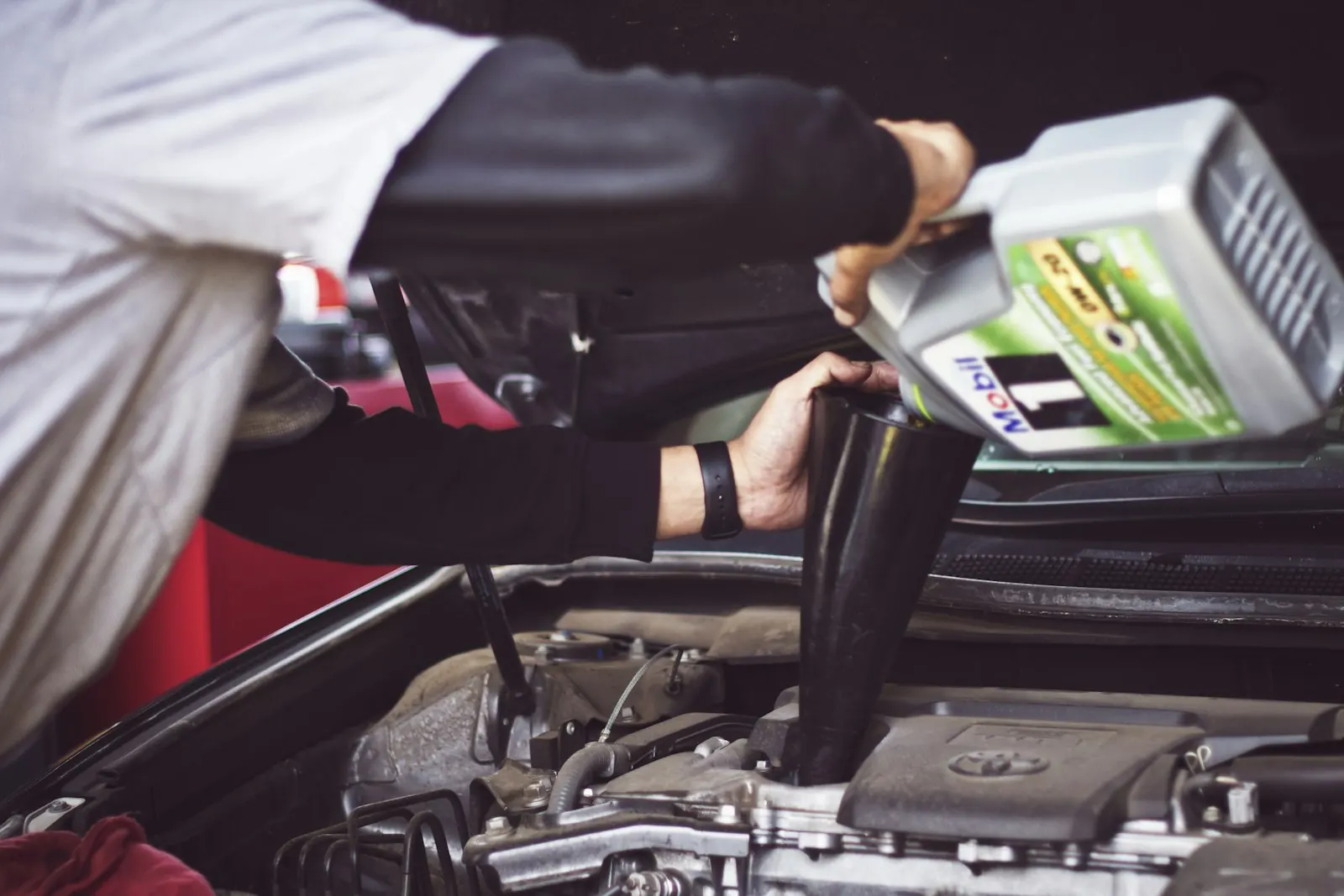
What it is
Car maintenance is the routine care that helps a vehicle run safely and reliably. It covers fluids, filters, tires, brakes, belts, lights, the battery and other parts that wear down with use over time.
Maintenance is different from repair. Maintenance is about checking and servicing parts before they cause trouble, while repair addresses something that has already failed or is showing symptoms.
The best starting point is always your owner's manual. It lists the manufacturer's suggested service items and timing for your specific vehicle, which can differ a lot between makes, models, engines and driving conditions.
How it’s traditionally been approached
Many drivers have followed a calendar-and-mileage routine, scheduling services at regular intervals listed in the owner's manual. Some also adjust the routine for conditions like heavy city traffic, towing, extreme weather or dusty roads.
Owners often do simple checks themselves, such as looking at tire condition and pressure, testing lights and wipers, glancing at fluid levels and noting any new sounds, smells or dashboard warning lights. Keeping a simple log of services can make later decisions easier.
For larger jobs, people have commonly turned to dealerships or independent shops. Each has its own strengths, such as brand-specific training or convenient local service, and many drivers choose based on comfort, location and past experience.
How the right expert may help
A qualified auto pro may help you understand what your vehicle actually needs rather than guessing. A typical visit often includes a conversation about your driving habits, a look over key systems, and an explanation of anything that appears worn or unusual.
Helpful questions to ask include: Which items are required now and which can wait? What does the manufacturer recommend for my vehicle? Can you show me the worn part? What is included in the estimate, and will you get my approval before added work?
For anything involving brakes, fuel systems, electrical systems or structural components, safety comes first, and a licensed professional is the right choice. Tipey's directory may help you find an auto pro to talk with, though results and fit will vary.
The bigger picture
A well-kept car can bring real peace of mind. Fewer surprises on the road may mean less stress, more predictable budgeting and more confidence on daily commutes and family trips.
Car care is also one piece of a bigger picture of household wellbeing. Planning ahead for maintenance can ease financial pressure, and if you want help thinking about the broader picture, Providers.plus may be a useful resource. Every approach, from DIY checks to full-service shops, can work for different people.
Keep in mind
- Your owner's manual and a licensed mechanic outweigh any general tip, including the ones on this page.
- Costs, schedules and needs vary by vehicle, location and shop, so get a written estimate before work begins and use the site's free calculators at /calculators to plan your budget.
- Safety first: leave brake, fuel, electrical and structural work to a licensed pro, and don't ignore warning lights or unusual noises.
- Insurance coverage and warranty terms vary by state, insurer and manufacturer, so confirm details with your provider before relying on them.
Free calculators
- Car loan calculator →Estimate a monthly car payment from price, down payment, trade-in, sales tax, rate and term.
- Debt payoff calculator (avalanche vs snowball) →List your debts and compare the avalanche and snowball methods side by side.
Take the next step
- Transportation Calculator ↗What drives shipping cost — and a quote
- 800-HAVE-VAN ↗Van moves and deliveries
Not sure where to start? Answer a few gentle questions and choose who you’d like to hear from.
Open the car loan calculator →Frequently asked questions
What are the most important car maintenance tips for beginners?
Start with your owner's manual, then build a habit of checking tire condition and pressure, fluid levels, lights and wipers. Pay attention to new sounds, smells or warning lights and have them looked at promptly. Keeping a simple service log also helps.
How often should I service my car?
The right timing depends on your vehicle, engine and driving conditions, so check the manufacturer's schedule in your owner's manual. Hard driving, towing or extreme weather may call for a different routine. A licensed auto pro can help you interpret it.
Can I do car maintenance myself?
Yes, many drivers handle simple tasks like checking tire pressure, replacing wiper blades or inspecting fluid levels. Work involving brakes, fuel, electrical or structural parts is best left to a licensed professional for safety.
Why is regular car maintenance important?
Regular maintenance may help your vehicle run more safely and reliably, and it can help you catch small issues before they grow. It also makes ownership costs a little easier to plan for. Results depend on the vehicle and its use.
How do I find a trustworthy auto pro?
Look for licensed, well-reviewed shops, ask friends for recommendations, and ask for written estimates that explain the work. Tipey is an independent directory that may help you find an auto pro, but it does not endorse or guarantee any provider.
Do I need to follow the dealer's maintenance schedule?
Many owners follow the manufacturer's schedule, and some warranties have service requirements, so read your warranty terms carefully. Independent shops are also a common choice. Confirm specifics with your manufacturer or a licensed professional.
Educational resource. Tipey shares general information and connects people with independent experts. It is not professional advice. Talk with a qualified professional about your own situation.
