What it is
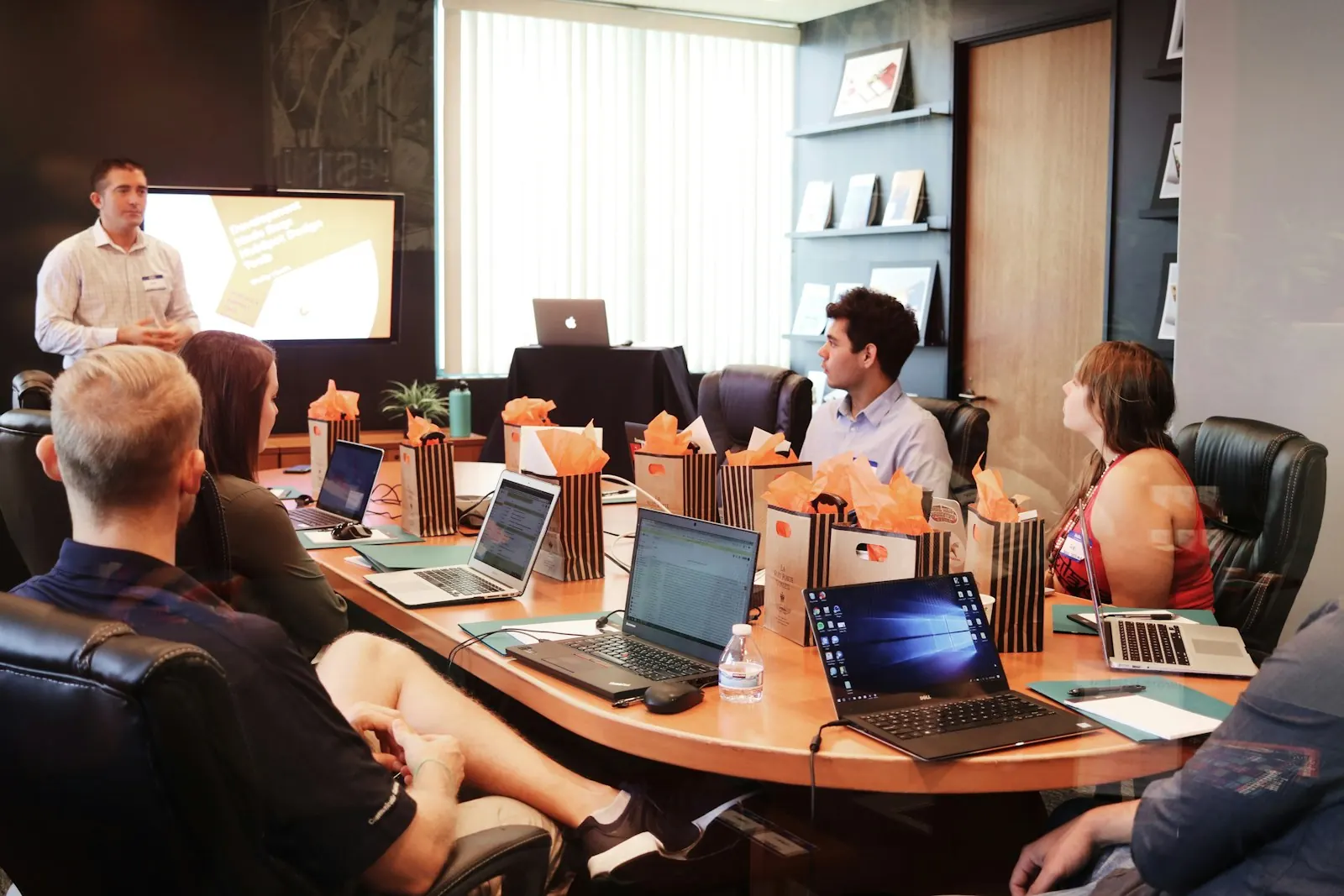
A job interview is a conversation where an employer and a candidate learn whether a role is a good fit for both sides. It may happen by phone, by video, in person, or as a panel with several people.
Interviews often mix questions about your experience, how you handle situations, and why you want the role. Many people also use the time to ask about the team, expectations and culture.
Good job interview tips usually come down to preparation, clear communication and being yourself. Every employer and industry is different, so the approach that works in one setting may need adjusting in another.
How it’s traditionally been approached
Many people prepare by researching the company, reading the job description closely, and matching their experience to what the role asks for. Writing down a few examples of past work is a common habit.
Practicing answers out loud, with a friend, in a mirror or on video, is another long-standing approach. Many candidates also prepare a few questions to ask the interviewer.
On the day, people commonly plan their route or test their technology early, dress in line with the workplace, and send a short thank-you note afterward. Norms differ by industry and region, so these are common practices rather than rules.
How the right expert may help
A career and business coach may help you clarify your strengths, shape your story, and practice answering questions in a supportive setting. A first session is generally a conversation about your goals, your background and the roles you are pursuing.
Some coaches offer mock interviews and feedback on how you come across. Others focus on resume review, career transitions, negotiation conversations or building confidence. What is offered varies by coach, and results are never guaranteed.
Helpful questions to ask a coach include: What is your experience with my industry or career stage? How do sessions work and how is progress shaped? What would you expect from me between sessions? You can also ask how they handle feedback and what a realistic timeline might look like.
The bigger picture
Interviews can bring nerves, and that is very normal. Everyday habits such as getting enough rest, eating something steady beforehand, taking a few slow breaths and going for a walk may help you feel more settled. If stress or anxiety feels overwhelming, consider talking with a doctor or qualified professional.
A job change can also affect your finances and peace of mind. When an offer arrives, it can help to think about how pay, benefits and schedule fit your whole life. Questions about taxes or how a new income may change things are best confirmed with a tax professional, and Providers.plus can help you find independent experts.
Keep in mind
- Interview customs vary by country, industry, employer and role, so treat any tip as general guidance rather than a rule.
- Be honest about your experience; authentic answers tend to feel more natural and are easier to follow up on.
- A coach can offer support and perspective, but cannot promise an interview result or a job offer.
- For questions about taxes, contracts, benefits or employment law, confirm details with a qualified, licensed professional.
Free calculators
- Savings goal calculator →Find the monthly amount needed to reach a savings goal by a target date.
Take the next step
- Fierce CRO ↗On-demand chief revenue officers
- The Post-Exit Playbook ↗Planning a business exit
- Intent Triggers ↗Market to people ready to buy
- Coaches.cloud ↗Tools and resources for coaches
- Dallas Auditor ↗CPAs and auditors in Dallas–Fort Worth
- Fundraiser.biz ↗Fundraising ideas for every group
Not sure where to start? Answer a few gentle questions and choose who you’d like to hear from.
Find a side hustle →Frequently asked questions
What are the best job interview tips for beginners?
Start with the basics: read the job description, learn about the company, and prepare a few examples of your experience. Practice answering common questions out loud and prepare a couple of questions of your own. Arrive or log in a little early so you feel unhurried.
How should I prepare for a job interview?
Preparation commonly includes researching the employer, reviewing the role, and listing examples that show your skills. Many people rehearse with a friend or coach and plan logistics like travel, technology and what to wear. Choose the steps that fit your situation.
What should I say when asked to tell me about yourself?
Keep it brief and relevant: a short summary of your background, a highlight or two that connects to the role, and why you are interested. Many people think of it as a short professional story rather than a full life history. Practicing it aloud can help it feel natural.
How can I feel less nervous before an interview?
Practice, rest and a calm routine may all help. Slow breathing, a short walk, and reminding yourself that the interview is a two-way conversation are common approaches. If anxiety feels persistent or overwhelming, consider speaking with a doctor or qualified professional.
Can a career coach help with job interviews?
A career coach may help by offering mock interviews, feedback on your answers and support with confidence and messaging. What they offer varies, and no coach can guarantee a job. Ask about their experience and approach before you begin.
Should I send a thank-you note after an interview?
Many candidates send a brief thank-you message within a day or so, and it is commonly seen as a polite touch. Customs vary by industry and employer, so use your judgment. Keep it short and mention something specific from the conversation.
Educational resource. Tipey shares general information and connects people with independent experts. It is not professional advice. Talk with a qualified professional about your own situation.
