What it is
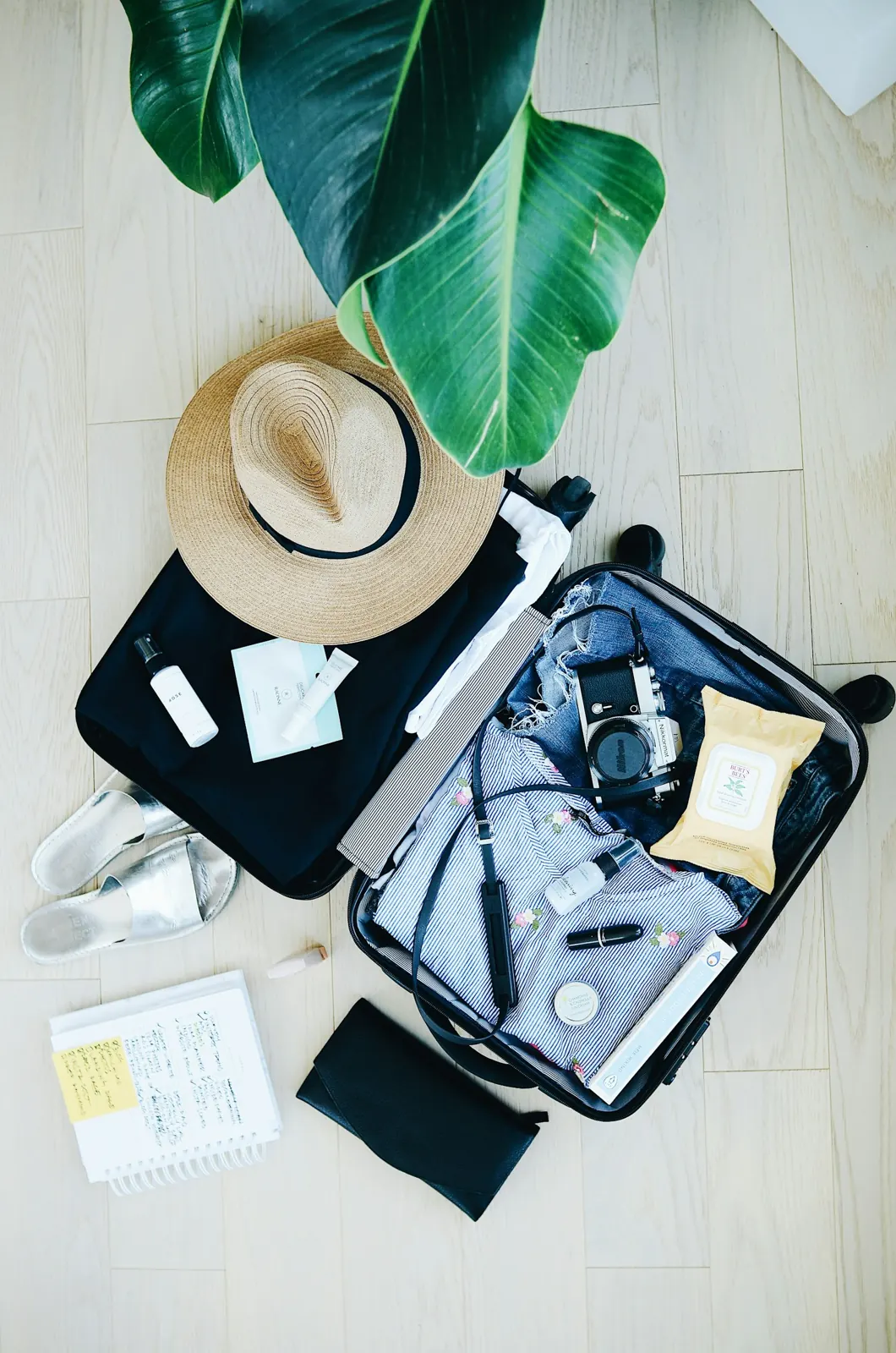
Carry on packing means fitting everything you need for a trip into the bag you take into the airplane cabin, plus a small personal item such as a backpack or purse. The goal is to avoid checking luggage altogether.
Many people like it because bags stay with them, there is no waiting at baggage claim, and lost luggage is less of a worry. It also encourages thoughtful choices about what you really need.
Size and weight limits differ by airline, fare type, route and country, so the bag that works for one flight may not work for another. Always check your airline's current rules before you pack.
How it’s traditionally been approached
Travelers have long relied on a few simple habits: choosing versatile clothing that mixes and matches, sticking to a limited color palette, and wearing the bulkiest items on travel day.
Rolling or folding clothes, using packing cubes, and keeping liquids in small containers in a clear bag are common approaches. Liquids rules at airport security vary by country, so confirm what applies to your route.
Others prefer to pack a few extra items and do laundry on the road. Neither style is wrong; the right approach depends on trip length, climate, activities and personal comfort.
How the right expert may help
A travel advisor is an independent professional who may help you plan a trip, and they can be a useful resource if your itinerary involves several airlines, destinations or luggage rules. They may be able to flag baggage policies that differ between carriers, such as on connecting or regional flights.
A first conversation is generally about your destination, travel dates, style and comfort level. Advisors often ask about activities and weather, which can help shape what belongs in your bag.
Good questions to ask include: What are the baggage rules for each leg of my trip? Are there fees I should expect? What do travelers commonly forget for this destination? What happens if my plans change? Confirm details directly with the airline, since policies change.
The bigger picture
Travel can be exciting and tiring at the same time. Packing light may help you feel more relaxed, move through airports more easily and keep your energy for the trip itself. Overpacking, on the other hand, can add physical strain and worry.
Think about your whole self, too: comfortable shoes, any personal items you rely on, and a little downtime built into the plan. A well-planned trip can also protect your budget and peace of mind. If you need to be careful about your wellbeing while traveling, consider talking with your doctor before you go.
Keep in mind
- Airline carry-on size, weight and fee rules vary and change often, so check your carrier before every trip.
- Security rules about liquids, batteries, tools and other items differ by country and airport; confirm what applies to your route.
- Keep medications, important documents, valuables and chargers in your personal item rather than a bag that might be gate-checked.
- This is general information, not professional advice; for questions about insurance, health or legal travel requirements, confirm with a qualified, licensed professional.
Free calculators
- Tip calculator →Work out the tip, the total and each person's share — with quick percentages and an optional round-up.
- Savings goal calculator →Find the monthly amount needed to reach a savings goal by a target date.
Take the next step
- Cozumel Every Day ↗Everything to do in Cozumel
- Roatan Shore Trips ↗Roatan shore excursions for cruise visitors
- Roatan Snorkel Tours ↗Reefs, operators and water activities
- Roatan Island Rentals ↗Short- and long-term rentals
- The Beach Club Roatan ↗Every Roatan beach worth knowing
- Island Doctor ↗Traveling doctors and nurses for island life
Not sure where to start? Answer a few gentle questions and choose who you’d like to hear from.
Explore Roatan tours & excursions →Frequently asked questions
What are the best carry on packing tips for beginners?
Start by checking your airline's size and weight limits, then lay out everything you plan to bring and trim it down. Choose versatile clothes that mix and match, use packing cubes or rolling to stay organized, and keep essentials in your personal item. Practice packing a day or two early so you have time to adjust.
How do I fit more in a carry-on bag?
Many travelers wear their bulkiest items on travel day, roll or compress clothing, and use packing cubes to use space efficiently. Choosing multi-purpose items and skipping 'just in case' extras also helps. Remember that airlines enforce weight limits as well as size limits, so a fuller bag is not always allowed.
What should I never pack in a carry-on?
Rules differ by country and airline, but items such as sharp tools, certain liquids over the allowed size, and some flammable or restricted goods are commonly limited in cabin bags. Check your airline and the security agency for your departure country, such as the TSA in the U.S., before you pack. When in doubt, leave it out or ask.
How should I pack liquids in a carry-on?
Many airports require liquids to be in small containers placed in a clear resealable bag, though exact limits vary by country. Placing the bag at the top or in an outside pocket makes screening easier. Confirm current rules with your airport's security authority before you travel.
Is it better to roll or fold clothes in a carry-on?
Neither is always better; it depends on the fabric and your bag. Rolling can save space and reduce some wrinkles for casual items, while folding or using flat packing cubes can suit structured pieces. Try both with a practice pack to see what works for you.
Can a travel advisor help with carry on packing tips?
A travel advisor may help by explaining baggage rules across airlines, destinations and trip types, and by suggesting what travelers commonly bring for a given climate or activity. They are not a replacement for checking airline rules directly, but they can help you plan. Availability and services vary by advisor, so ask what is included.
Educational resource. Tipey shares general information and connects people with independent experts. It is not professional advice. Talk with a qualified professional about your own situation.
